












Why Podcasting Is One of the Most Powerful Community-Building Tools Founders Have Right Now
July 8, 2026
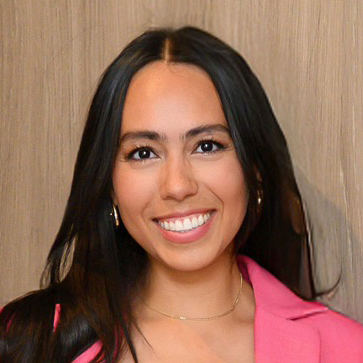
Written by
Ingrid Zapata Read
Grow With Community
If you told me a few years ago that AI would write our posts, create images, summarize meetings, and even host podcasts, I would not have believed you.
Every week, there seems to be a new tool that can do something that used to require a person.
So much is changing so fast, but even then, I am noticing that the founders and organizations I am paying attention to the most are the ones making me feel like I know them. The ones telling stories, sharing lessons learned, and inviting people into the conversation.
I was thinking about this during a recent conversation with Hayleigh Hayhurst, founder of Espresso Podcast Production, on the Startups in Stilettos podcast with my co-host Carlyn Bushman.
Hayleigh has spent the last six years helping podcasters launch, grow, and monetize their shows while hosting two podcasts of her own. She's watched the industry change in real time, and our conversation got me thinking about podcasts in a different way.
Most people think of podcasting as a content strategy, but what if it's actually a community-building strategy?
The AI problem that podcasting actually solves
There is a lot of conversation right now about how AI is changing content creation. What I don't hear people talking about enough is what happens after the content is created.
Because content alone doesn't build trust.
People don't hire founders because they read one LinkedIn post. They don't join communities because they saw one Reel. They don't buy from someone because they downloaded a free guide.
Trust usually comes from repeated exposure.
It's built when people hear your perspective over time. When they start to understand how you think. When they feel like they know the person behind the business.
That's what made me look at podcasting differently after talking with Hayleigh.
A podcast creates a level of familiarity that is difficult to achieve through most other forms of content. Someone may spend 30 minutes, 45 minutes, or even an hour listening to you share ideas, tell stories, answer questions, and talk through challenges.
By the time they meet you, they don't feel like they're meeting a stranger. They feel like they're meeting someone they've already gotten to know. And in a world where more content is being created than ever before, that kind of trust is incredibly valuable.
What makes podcasting a community tool, not just a content one
Most people think of a podcast as a marketing channel. You record an episode, publish it, promote it, and hope people listen.
However, throughout my conversation with Hayleigh, I kept thinking about podcasting through a community lens.
Every episode gives people another opportunity to spend time with you. It gives them a chance to hear how you think, what you believe, and how you approach your work. Unlike a social media post that someone may skim in a few seconds, a podcast creates space for a deeper connection.
That is true whether you are the host or the guest.
If you are hosting a podcast, Hayleigh shared several things that matter:
- Be clear about who you're creating the show for. Your ideal listener and your ideal client should be closely connected.
- Think about how the podcast supports your business. Many successful founders use their podcast to introduce listeners to their services, programs, products, or community.
- Go in with a long-term plan. Starting a podcast is exciting. Continuing one consistently is where the real work begins.
- Create episodes with intention. Every episode should strengthen the relationship you are building with your audience.
- Choose a format that fits your audience's life. Busy parents may want shorter episodes. Founders may be happy to spend an hour diving deep into a topic.
- Record video whenever possible. Many future listeners will discover you through clips before they ever subscribe to your show.
Why podcast guesting is still underrated
One thing I loved about this conversation is that we didn't just talk about hosting a podcast. We also talked about the opportunity that comes from being a guest.
Podcast guesting gives founders access to something incredibly valuable which is trust that has already been built by someone else. When a host invites you onto their show, they're introducing you to a community that already knows, likes, and trusts them. That creates a level of connection that can be difficult to achieve through other forms of marketing.
The founders who get the most from guest appearances tend to:
- Spend time understanding the audience before the interview
- Share specific stories and examples instead of generic advice
- Think about what listeners will take away from the conversation instead of focusing only on promoting themselves.
Hayleigh also emphasized that the relationship shouldn't end when the episode goes live.
The best guests continue the conversation. They share the episode, engage with listeners, support the host, and stay connected long after the interview is over. In many cases, the relationship you build with the host ends up being just as valuable as the audience you reached.
The numbers that actually matter
One of the things I appreciated most about Hayleigh's perspective was her honesty around metrics.
It's easy to focus on download numbers because they're visible and easy to compare, but downloads alone don't tell the full story. A podcast can have impressive download numbers and still fail to support business goals. On the other hand, a smaller show can create incredible results if it attracts the right audience.
Instead of chasing vanity metrics, Hayleigh encourages creators to look at outcomes. Are people joining your email list? Are the right clients finding you? Are listeners staying engaged throughout the episode?
Before worrying about growth, it's worth defining what success actually looks like for your business.
Community in the age of AI is a human strategy
As our conversation came to a close, I found myself thinking about something I've written about often. Technology helps us reach people, but community helps us connect with them.
Hayleigh shared the story of her Podcasters Northwest event in Seattle, which sold out its first gathering in just a few days. It was a reminder that even as more of our work moves online, people are still looking for meaningful ways to connect.
And despite what some people may tell you, podcasting is far from over.
If you've been thinking about starting a podcast, this might be your sign to do it. And if hosting a show isn't on your list right now, consider being a guest. It's one of the best ways to share your story, build relationships, and get in front of communities that are already engaged.
If you're part of Entreprenista, spend a few minutes looking around the community. Members are looking for podcast guests all the time, and there are so many opportunities to share your expertise with new audiences.
A podcast gives people the chance to get to know you before they ever meet you. It creates familiarity, trust, and connection in a way that few other formats can.
Tools and technology will continue to evolve, but people will still want to connect with other people. And I don't see that changing anytime soon.
About the Author
Ingrid Zapata Read
Grow With Community
Ingrid Zapata Read is a community strategist and founder of Grow With Community. She helps businesses get closer to the people they serve and build stronger, more intentional relationships around their mission.
After building a global community for moms of over 200,000 members, and through her experience in sales, startups, and customer experience, Ingrid brings a people-first perspective to growth across industries. She’s known for her thoughtful, practical approach and believes community building should be a part of every business strategy.

The Latest

Heather Lillico Helps Burnt-Out Founders Rewire Their Nervous Systems
The former nutritionist burnt out building her nutrition business, and the tools that brought her back to calm now anchor her coaching for women founders.

Elizabeth Watson Helps Founders Recover Their Lost Energy

Automate Your Site with a 1-Month Free Trial
Kartra