















What Founders Really Pay Themselves at Every Stage
A transparent look at founder compensation and how it actually evolves as your business grows.
April 16, 2026

Written by
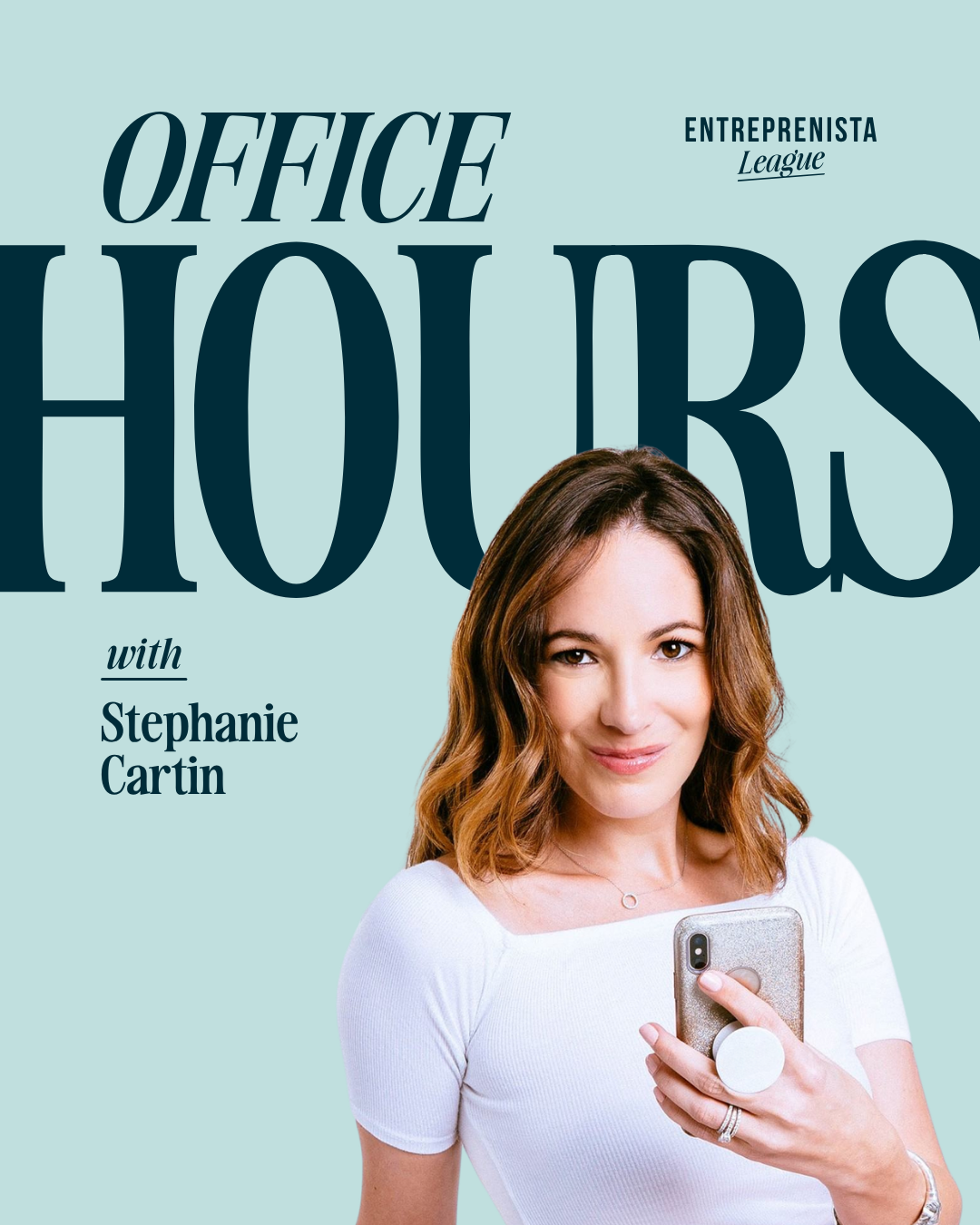
Stephanie Cartin
Co-founder of Socialfly and Entreprenista.
Ask any founder and they’ll tell you: They are focused on the numbers. But, one of the numbers that is openly discussed the least but privately thought of the most? What they should be paying themselves.
Founder compensation is not a straight line. It is a series of decisions shaped by revenue, risk tolerance, personal life, and what your business actually needs at any given moment.
So what are founders actually paying themselves? We have the real founder insight from Entreprenistas just like you.
What Founder Pay Actually Looks Like (By Stage)
While every business is different, clear patterns start to emerge when you look at compensation across stages.
Early Stage (Pre-Revenue to <$250K)
Typical monthly pay: $0 to $4,000
Common approach: Minimal salary or none at all, heavy reinvestment
In the earliest phase, most founders are focused on survival and traction, which often means paying themselves very little, or nothing.
"In the first few months of Maven Row, I paid myself nothing and lived off my savings, putting everything back into building the infrastructure, the brand, and the client base that would make the business sustainable." - Joy Errico, founder of Maven Row
But while living minimally is common in the early stages of founding a company, it’s not a hard and fast rule.
"When my co-founder Stephanie and I started our first company…we each paid ourselves $4,000 a month for the first year. We did the math on what we needed to cover rent, food, and basic living expenses, and that’s the number we landed on. Everything else went back into the business." - Courtney Spritzer, co-founder of Entreprenista
Both approaches are common. The difference usually comes down to personal runway and risk tolerance.
Growth Stage ($250K to $1M)
Typical monthly pay: $3,000 to $8,000+
Common approach: More structured pay, still tied closely to cash flow
This stage of growth is where things often start to feel more real…and more complicated. Revenue is coming in, but it’s not always consistent. You are likely reinvesting in growth, whether through marketing, support, or systems.
For example, you might have a strong month and pay yourself more, then pull back the next month to cover a new hire or investment. "When the business had a great quarter, we’d increase our pay. When profit dipped, we’d decrease it. There was no ego about it, it was a direct reflection of how the business was performing,” Spritzer says.
When you’re growing, your salary becomes a dial, not a fixed number.
Related: We’re Crushing It… So Why Is Cash Still Tight?
Scaling Stage ($1M+)
Typical monthly pay: $8,000 to $25,000+
Common approach: More intentional compensation tied to profitability and structure
At the scaling stage, the expectation shifts. The business has outgrown survival mode and is supporting a team, a vision, and your life. But that doesn’t mean pay necessarily becomes simple."As we really ramped up revenue… I learned the hard way that if I don't protect my salary as I protect it for my employees, I'll be left with leftovers after all expenses are taken care of,” says Emily Paulsen, founder of Electric Collab.
If you do not prioritize your own pay, it will always come last. And sometimes, even at this level, things are not linear. "Founder compensation is not always a straight climb and sometimes the smartest thing you can do is lean on the reserves you built in better years and make steady decisions from there,” says Carlyn Bushman, founder of Carlyn Bushman Consulting.
Related: Shayna Davis, Income + Influence Strategist Helping Women Monetize Their Expertise
Breaking It Down Further
What to Expect By Years in Business
0 to 1 year: Lean or no salary, high reinvestment
1 to 3 years: More consistent pay begins, often variable month to month
3+ years: Structured compensation tied to profitability, with more predictability
Time in business does not guarantee higher pay, but it does usually bring more clarity around what the business can actually support.
Curious about joining the Entreprenista League? Sign up here for a free info session.
What to Expect By Team Size
Solo founder: More flexibility, but also more pressure. You decide what you get paid, but you are also the last line of defense.
Small team (1 to 5 employees): Competing priorities. You are balancing your pay with hiring, support, and growth investments.
Larger team (5+ employees): More structure, but also more responsibility. Payroll expands, and your compensation becomes part of a bigger financial ecosystem where you might delay a raise for yourself to hire a key team member or take on another expense that unlocks growth.
Related: The 5 Paths to Funding: How Founders Choose the Right Capital (and Avoid the Wrong Kind)
5 Real Founder Approaches to Paying Themselves
1. Pay Yourself Enough to Stay Stable
"I know a lot of founders wear the 'I took $0 for the first three years' badge of honor, but I actually think that’s counterproductive. If you’re stressed about making rent, you’re not making good business decisions." - Courtney Spritzer
2. Use a Simple Framework
"Once revenue became more consistent, I landed on a simple framework… a third for taxes, a third for me, and a third for the business." - Joy Errico
3. Treat Your Salary Like Any Other Expense
"Now I try to pay myself 40% of revenue. 20% goes back into the business, 40% goes to expenses." - Emily Paulsen
4. Let Your Pay Reflect Real Seasons
"In stronger years, I’ve paid myself a six-figure income… but a challenging 2025 carried into Q1 2026, and I’m still working my way back to that level." - Carlyn Bushman
5. Adjust as You Grow
"Early on, I kept it lean… As revenue became more consistent, I shifted to paying myself more intentionally, tying it to profitability and sustainability rather than just what was left over." - Ingrid Zapata Read, founder of Grow With Community and MyOrbit
The Reality No One Talks About
Not every founder is paying themselves consistently, even in later stages. Allyns Melendez, founder of HR Transformed, says, “We are in the scaling stage. I don't pay myself a salary. I send [payment] to myself when possible to cover my personal expenses. Honest story: I owe myself money I loaned the business in Q1."
This is more common than most people admit, and it’s often a crucial decision for long-term success. You might be investing heavily in hiring or infrastructure, knowing it will pay off later, even if it means short-term sacrifice.
So, How Should You Decide What to Pay Yourself?
There is no perfect formula, but there are a few grounded principles that show up again and again:
1. Start with what you need to be stable
Not comfortable, not aspirational. Stable enough to think clearly and lead well.
2. Tie your pay to reality, not ego
If profit dips, adjust. If the business grows, increase thoughtfully.
3. Build structure as soon as you can
Whether it is a percentage, a fixed salary, or a simple framework, clarity reduces stress.
4. Protect your salary as you grow
If you do not prioritize it, it will always come last.
5. Let it evolve
Your compensation should reflect both your life and your business as they grow and shift..
The Entreprenista Takeaway
Founder compensation is less about a static number and more about creating a system that supports both you and your business. "Pay yourself what you need to operate at your best. In the early days, that might be $4K a month. As the business grows, it should grow with you. And if profit dips, be willing to take less,” says Spritzer.
When your finances are aligned with your reality, you make better decisions. And better decisions are what actually build sustainable businesses.
About the Author
Stephanie Cartin
Co-founder of Socialfly and Entreprenista.
Stephanie Cartin is the co-founder and CEO of Entreprenista, an all-in-one platform – which includes a private community & business membership called The Entreprenista League that's made up of over 2,000 women founders at all stages of business, a weekly newsletter received by 60,000 readers, two podcasts, in-person educational & networking events, and an award program – that women founders at all stages can turn to for everything they need to grow.
Stephanie is also the co-founder of Socialfly (acquired by Truform Media Group in 2024), Markid, and Pearl Influential Capital. She has won countless awards, including the SmartCEO Brava award, which recognizes the top women CEOs in New York, and a Stevie Award for Women-Run Workplace of the Year. She has also appeared in Bloomberg, Forbes, Entrepreneur, Refinery29, and more.

The Latest
Heather Lillico Helps Burnt-Out Founders Rewire Their Nervous Systems
The former nutritionist burnt out building her nutrition business, and the tools that brought her back to calm now anchor her coaching for women founders.

Elizabeth Watson Helps Founders Recover Their Lost Energy

Automate Your Site with a 1-Month Free Trial
Kartra